Table Of Content
Green and pink tiles create a contrasting wall pattern in the kitchen of this Haussman-era Parisian apartment, which was revamped by local design studio Hauvette & Madani. The duo reconfigured the apartment layout, creating an L-shaped kitchen with pistachio green units set against red Rosa Alicante marble on the tabletop, worktops and backsplash. Notice how the design also has a contrast in color to make the first three words stand out. Now, this is how you combine two or more contrast types in a single design.
Contrast type
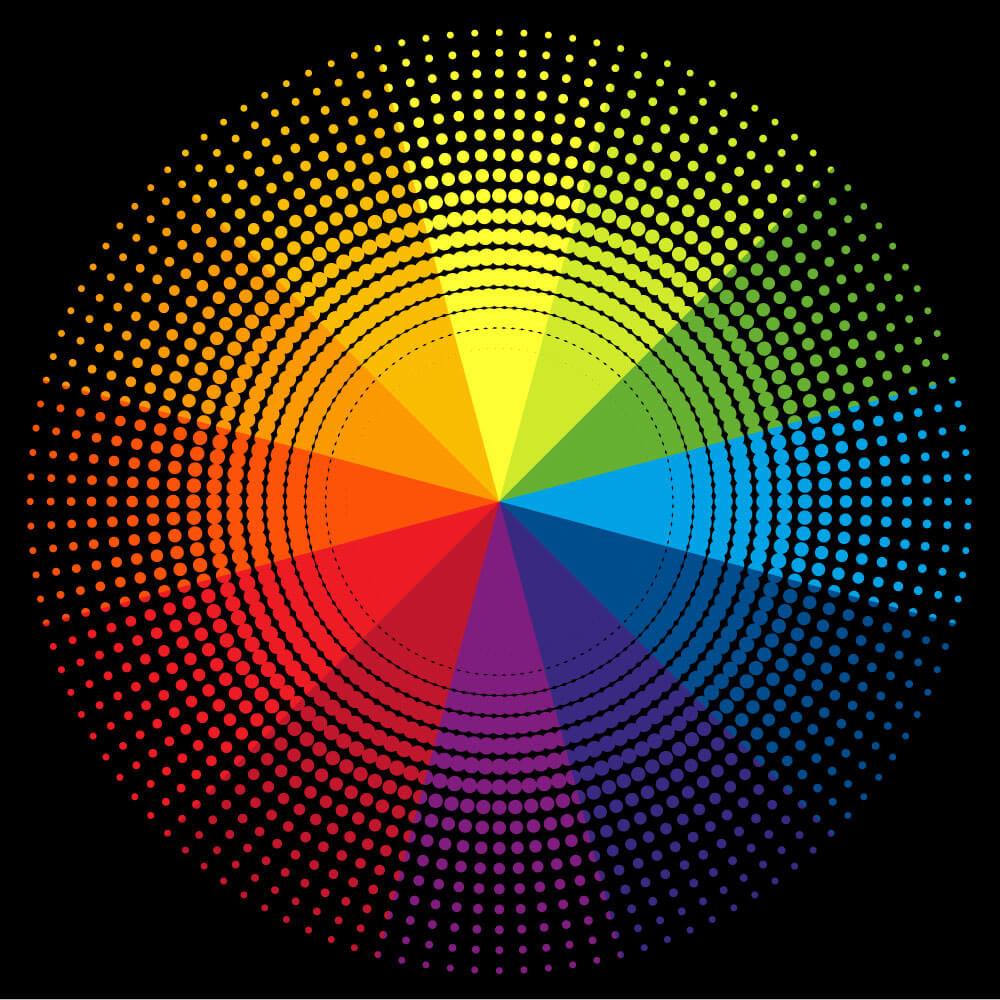
In this section, we’ll delve into the various ways color contrast can be used to make your designs more captivating and effective. Contrast is a crucial aspect of visual hierarchy and an essential element in graphic design. It is a wonderful technique to draw the viewer’s attention while also organizing your elements in your graphic design by concentrating the eye on the most significant areas of it. Contrast is closely related to other design principles like balance, emphasis, and unity. For example, you can use contrast to create a focal point (emphasis), balance out different elements, or create a sense of unity by contrasting similar elements. Understanding how these principles interact can help you create more effective designs.
Best Resources & Tools for Web Designers (2024 update)
Customers’ eyes will be immediately drawn to the cup and then eventually the text next to it. Specifically, contrasting elements in a design give consumers a lot to explore and understand within a design. A design with contrasting shapes and colors aesthetically arranged can pull in a larger audience than a similar arrangement without contrast. The Law of Contrast is a fundamental principle in design, helping create emphasis, hierarchy, and visual interest. However, like all tools, it needs to be wielded with understanding and care. When applied skillfully, it can significantly enhance the UX, making the design not just aesthetically pleasing but also highly functional.
Contrast in Art: Examples, Definition and How to Use it
As designers, it’s essential to continually experiment, learn, and adapt to best harness the power of contrast in our work. After all, just like in our favorite book, it’s the contrasts that make the story memorable. The application of the Law of Contrast is rampant in real-world brands. The tech giant uses a clean, white background with black text for readability. Product images are in high contrast with the background, drawing your eyes directly to them.
Contrast size
This can be done by using a limited palette, as mentioned above, or by using a wide variety of colours. Vary the values by adding white or black to lighten or darken tones. You could also try using complementary colours to create additional contrast. The focal point in an artwork is the subject or object that the viewer’s eye is drawn to first. Create a focal point, by the placement of the subject, or by increasing the contrast.
By formatting a clipping path around an object in the image, it will become the element that stands out the most. The image will be the only object in the composition that breaks from the grid so your eye will go there first. Last but not least, will be the technique of leveraging contrast with typography in your design. Color and font have a very significant role in the success of a design.
This principle is especially important if you're working with a very limited palate, because you won't be able to rely on color to help you establish contrast in your design or layout. Contrast of size is not applicable to just text; it can also be the images in the design. It's necessary that you find the areas in your design where you want the viewer to focus on. The choice of line weight and direction can significantly impact the viewer’s perception of the design, guiding their attention and conveying a sense of stability, movement, or elegance. So far in this series, we’ve already looked at how you can improve your design work by applying the principles of Balance and Proximity. This is a two value study of black and white, that will help you see the broad value masses and composition of the piece more clearly.

Lighting design fundamentals: using contrast in your game - Game Developer
Lighting design fundamentals: using contrast in your game.
Posted: Wed, 15 Sep 2021 23:13:39 GMT [source]
They are the rhythmic pulse that provides structure, order, and predictability. Designers often utilize patterns by repeating visual elements such as geometric shapes, lines, or color schemes to create a cohesive and visually pleasing composition. The beauty of patterns, however, truly shines when they are intelligently interrupted. When you are creating your next design, don’t only consider color as the only contrast possibility to create visual interest.
How much does contrast matter in design and the user experience?
This loft apartment in Brooklyn's Dumbo neighbourhood was renovated by interiors studio Crystal Sinclair Designs, which aimed to add European flair to the industrial space. This was contrasted with cool tones in the polished floor and steel-blue-painted ceiling. In its renovation of a London warehouse apartment, local studio Emil Eve Architects aimed to add warmth and colour to the interior without losing its industrial character. Architect Murray Barker and artist Esther Stewart opted for colours and materials in keeping with mid-century interiors when updating this 1960s apartment in Melbourne's Brunswick neighbourhood.

This level of contrast boasts creativity, skill, and a knack for storytelling. If you examine the image above, you can see this layout is almost entirely made up of rectangles. The images are rectangles, as well as the different graphical elements. The thing that will probably stand out to you the most, however, is the lamp because it's the only element in the composition that isn't a rectangular shape, and your eye goes directly to that image first. Contrast has a significant impact on the success of design projects, because it leverages the human cognitive pattern to quickly identify and assess contrasting objects.
In the paintings above, I chose to work with a limited palette of ultramarine blue, burnt umber and white for the painting on the left to create a monochromatic scheme. Whereas the painting on the right has less value contrast, but more colour contrast. I used a larger palette of phthalo blue, burnt umber, magenta, lemon yellow and white. Beyond creating an engaging and aesthetically pleasing design that is easy to read, using contrast in design makes the customers’ role very easy. When you go to the supermarket, does it not help you that each thing has a specific color, shape, and size?
The Visual Contrast Evolution in Architecture - Building Design + Construction
The Visual Contrast Evolution in Architecture.
Posted: Thu, 08 Dec 2022 08:00:00 GMT [source]
The person in the background grabs the attention second, then back to Zorn’s palette. Zorn has intentionally positioned elements within the frame, so that the eye jumps from one subject to another. The palette, which appears highlighted and in the centre of the frame of the canvas is of particular importance.
Where do you think the phrases "learn more" or "here" would lead when clicked? Instead, aim to use more specific language to describe your links. Not only does this benefit those with disabilities, but it’s also, once again, great for SEO. News from Dezeen Events Guide, a listings guide covering the leading design-related events taking place around the world. Sent every Tuesday and containing a selection of the most important news highlights. The kitchen features bright blue units that contrast with shiny gold backsplashes and slender handles on the tall cabinets.
Keep in mind that not everything needs a huge level of contrast to where it punches you in the face; it can be subtle. The next time you're working on a layout, make sure you're implementing these principles to create more appealing work. To learn more principles like this, check out Pluralsight’s graphic design learning path.